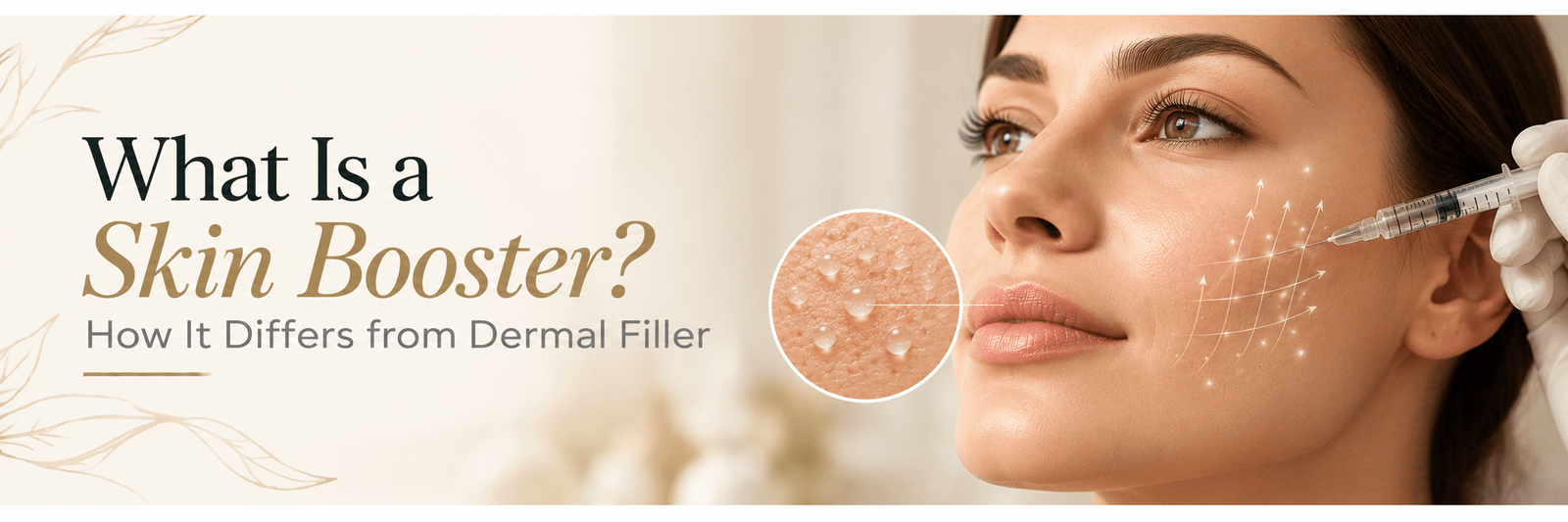
Under-eye skin is delicate, so issues like dark circles, fine lines, crepey skin, and premature aging may show up even when the rest of your face looks rejuvenated.
Under Eye PRP Treatment in North Bay is one option for treating under-eye skin. Unlike conventional fillers, PRP uses a small amount of your blood. The treatment extracts platelets and uses them to stimulate natural skin regeneration.
Multiple studies support the benefits of PRP for various periorbital skin concerns, especially pigmentation, fine lines, and overall skin condition. Nevertheless, PRP is not a cure-all for all under-eye conditions.
Understanding the Treatment
What Is Under-Eye PRP?
PRP stands for platelet-rich plasma. In the procedure, your blood is drawn and spun to isolate platelets from the remaining blood components. Then the plasma is applied to the treatment area.
Platelets contain growth factors that support tissue repair and regeneration. In aesthetic medicine, PRP has been studied as a method to enhance collagen formation and skin properties.
Under-eye PRP usually aims to improve skin appearance rather than change its contours.
Treatment Concerns
What Can PRP Under the Eyes Help With?
Dark Circles
Dark circles are one of the most common concerns, making PRP for the under-eye area an option to consider.
However, “dark circles” refers to various conditions that can cause discoloration around the eyes. Skin pigmentation, visible blood vessels, skin thinness, hollow shadows, and other signs of aging can cause discoloration around the eyes.
This means PRP treatment for dark circles may help with pigmentation and overall skin quality. It will not work effectively on dark circles caused by deep hollows or shadows.
Fine Lines Around the Eyes
PRP can also treat fine lines and early-onset wrinkles.
Skin aging usually involves changes in collagen and elastin, which can cause thinning, loss of resilience, and line formation. PRP has been used for facial rejuvenation, and a systematic review provides some evidence of its effects on skin appearance, texture, and line formation.
Treatment aims for gradual improvement.
Crepey or Thin-Looking Skin
The skin under the eyes is naturally thin; however, it becomes thinner and more wrinkled with aging and UV exposure.
Studies support that PRP improves skin texture, firmness, and overall skin quality. This is one reason under-eye rejuvenation in North Bay may focus on improving skin quality rather than restoring volume.
Uneven Skin Texture
However, PRP injections may also improve the appearance of the skin around the eyes and make it feel smoother.
This matters because PRP can stimulate skin rejuvenation, but it won’t make skin flawless.
Understanding Treatment Limitations
Can PRP Remove Under-Eye Hollows?
Here, it is crucial to mention expectations.
PRP therapy mainly helps regenerate the skin. In other words, PRP is different from a volumizing dermal filler.
Under-eye hollows could be caused by volume loss, facial anatomy, or changes in the lower eyelid-cheek relationship.
If the main issue is a noticeable hollow that creates a shadow, PRP may not produce the same effect as a volume restoration procedure.
A consultation will allow clarification of what causes the formation of under-eye hollows – pigmentation, poor skin condition, or facial anatomy.
Comparing Treatment Approaches
PRP for Dark Circles vs. Under-Eye Filler
These treatments are different.
Skin Quality & Regeneration
PRP works more on skin quality and regeneration properties. It can help with pigmentation, fine lines, and changes in skin texture.
Volume & Structure
Fillers add volume and can be considered when structural volume loss leads to under-eye hollowing.
No single treatment is necessarily better. The right treatment depends on the underlying cause.
For example, someone whose under-eye dark circles are due to pigmentation might need a completely different treatment than someone whose under-eye dark circles are due to tear troughs.
Safety & Professional Care
Is PRP Under the Eyes Safe?
Because under-eye skin is delicate and anatomically complex, only a qualified healthcare professional with experience treating this area should perform the procedure.
Clinical research and systematic reviews have shown that PRP is safe for rejuvenating periorbital skin; side effects are typically mild and transient, including erythema, swelling, and bruising at the treated site.
Because the region is close to blood vessels and eye structures, complications, though rare, can be dangerous.
Final Thoughts
Understanding Your Under-Eye Concerns
Using PRP in the North Bay under-eye area could be a good solution for those trying to reduce specific dark circles and fine lines, as well as pigment and skin quality issues on their face.
First, remember that under-eye problems can have different causes. For example, PRP might work well if the issue is skin quality or pigmentation, but not if it’s due to visible hollows or laxity.
A professional evaluation will help determine whether under-eye PRP suits your specific issue.
Frequently Asked Questions
Under-Eye PRP FAQs
Is PRP under eyes painful?
It includes blood drawing and handling a delicate area, so you may experience some soreness, tenderness, or swelling. A professional can explain how they ensure comfort during the procedure.
Does PRP permanently eliminate dark circles?
No cosmetic procedure can be guaranteed to be permanent. PRP might help eliminate certain types of dark circles, but it depends on their nature.
How many PRP treatments do I need?
There is no common number. Different studies used different regimens, but a 2021 systematic review found that patients, on average, received three treatments across studies.