Have you noticed fine lines, less firmness, or changes in your complexion compared to a few years ago? This is a normal physiological process, and one cause is a decrease in collagen production.
Collagen is an important protein that provides structural support to the skin. As we age, collagen production gradually decreases, and the skin becomes less elastic and loses firmness. Sunbathing, smoking, and other lifestyle factors can accelerate this process.
However, regular skincare, a healthy lifestyle, and professional procedures can help reduce wrinkles and other signs of aging. If you’re looking for collagen loss treatment in North Bay, learn about the aging process of collagen.
What Is Collagen, and Why Does Your Skin Need It?
Collagen is a protein that forms structures in the body, such as the skin, bones, tendons, and connective tissues. In the skin, it makes up part of the dermis, which provides most of the skin’s strength and structure.
Collagen is a structural protein in the skin that helps maintain its integrity and strength. Elastin, another protein, helps the skin to stretch and contract. Together with other substances that make up the skin, these proteins contribute to firmer skin.
The body continuously forms and replaces collagen. Collagen formation and replacement usually keep the skin in its proper structure when you are young. As you age, however, collagen formation slowly decreases while collagen breakdown increases.
However, collagen loss is only one part of the aging process. Elastin, fat, bone, and skin hydration may also contribute to changes in your appearance as you age.
Why Does Skin Lose Collagen with Age?
Natural Aging and Reduced Collagen Production
As you grow older, cells that generate collagen become less active, and the way your skin repairs itself shifts.
This gradual process is called intrinsic aging. Genes play an important role in how one’s skin ages, so different people age at different rates.
Some signs of aging include fine lines, loose skin, and altered skin texture. None of these signs imply that one’s skin is unhealthy; they are simply part of aging.
Sun Exposure and Photoaging
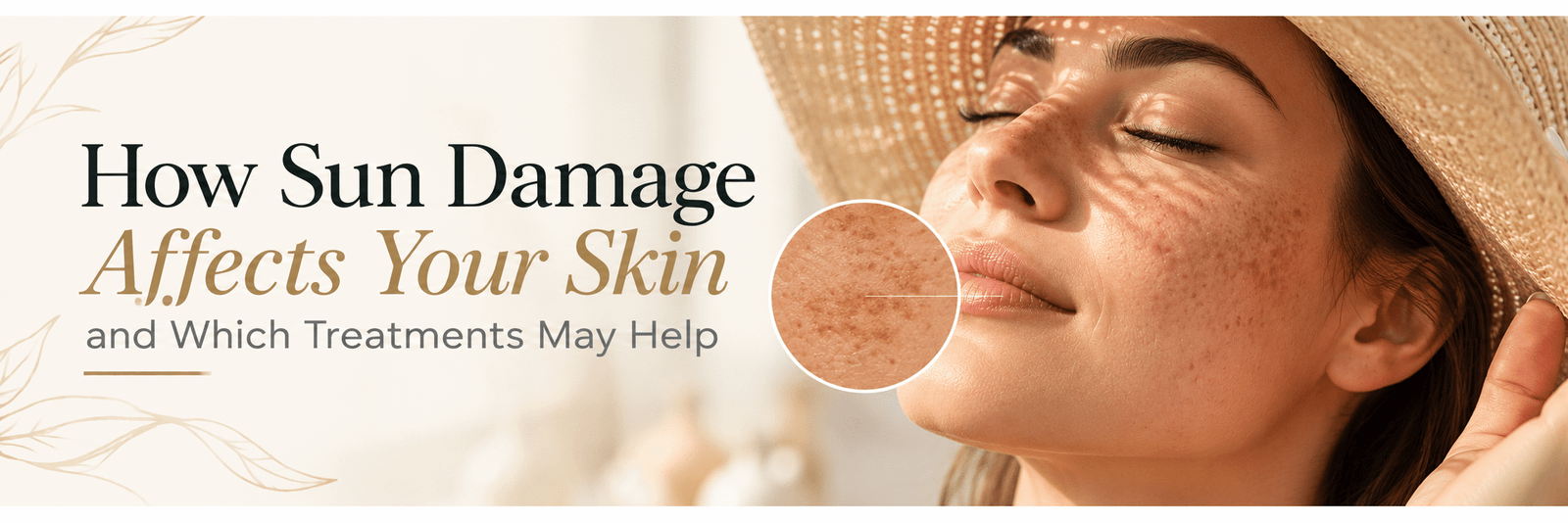
Sun exposure is one of the biggest factors in premature skin aging. UV rays can affect collagen and elastic fibers, leading to wrinkles, uneven skin tone, and loose skin.
Such premature aging is called photoaging. It can occur gradually from prolonged sun exposure, even without sunburns.
Hormonal Changes
Hormones affect the skin’s thickness, moisture, and collagen. Estrogen helps maintain skin structure.
The decline in estrogen during menopause is linked with changes in collagen and skin elasticity. According to the American Academy of Dermatology, the changes may cause saggy skin and more visible wrinkles.
Hormone changes affect individuals differently. Hormones alone cannot predict the signs of aging.
Smoking and Environmental Exposure
Smoking may cause premature skin aging by promoting oxidative stress, which can affect collagen synthesis and regeneration. Pollution may also contribute to oxidative stress.
These factors may affect skin quality and elasticity over the long term, especially when combined with continuous sun exposure.
Non-smoking and protecting yourself from ultraviolet radiation are some measures you can take to maintain healthy skin.
What Are the Signs of Collagen Loss in Aging Skin?
Fine Lines and Wrinkles
As the skin’s supporting structure changes, fine lines may become more visible. Over time, lines that appear from facial expressions become visible even at rest.
Reduced Skin Elasticity
The skin may no longer rebound as it once did. This can show up as various areas of the skin losing firmness.
Changes in Skin Texture
Changes in dermal components, such as collagen and elastin, can make the skin feel rougher. In addition, enlarged pores may indicate lost firmness.
Which Collagen Loss Treatments in North Bay May Help?
If you are worried about fine lines, loss of firmness, or other changes in skin texture, talk to a licensed skincare professional about your options.
The right choice depends on your skin type, medical history, and personal preferences. No treatment can fully prevent the effects of aging.
Medical-Grade Skincare and Retinoids
Topical retinoids, such as prescription tretinoin, have scientific evidence of efficacy for certain clinical signs of photoaging. With regular use, they may improve texture and fine wrinkles.
Over-the-counter preparations may contain retinol, a similar substance, which is less effective than prescription tretinoin. Effectiveness depends on the preparation, frequency of application, and your skin’s response.
Retinoid therapy may cause side effects like dryness, redness, peeling, and irritation, especially at first. A health care professional may advise you on whether it is suitable for you. Avoid retinoids during pregnancy.
Microneedling
Microneedling uses very thin needles to create micro-injuries in the skin. This process activates wound healing and helps remodel collagen.
Depending on the equipment and approach, microneedling can improve the appearance of some forms of acne scarring and wrinkles.
Laser and Light-Based Treatments
Lasers can treat signs of sun damage, skin texture issues, and even wrinkles. Treatment involves removing or heating the specific skin area to stimulate the repair process.
Different lasers serve different purposes, involve different recovery periods, and carry different risks. Some are more effective for treating pigmentation and surface texture, while others target deeper skin issues.
Skin color, pigmentation history, skin condition, and treatment goals all matter. Consult the right specialist to determine the best treatment approach.
Radiofrequency Treatments
Radiofrequency therapy provides energy into tissues, creating heat that can induce collagen remodeling and help treat skin laxity in some people.
The device and technique are important considerations. Radiofrequency microneedling combines radiofrequency energy with needle penetration, so its safety profile differs significantly from other non-invasive radiofrequency devices.
Collagen-Stimulating Injectable Treatments
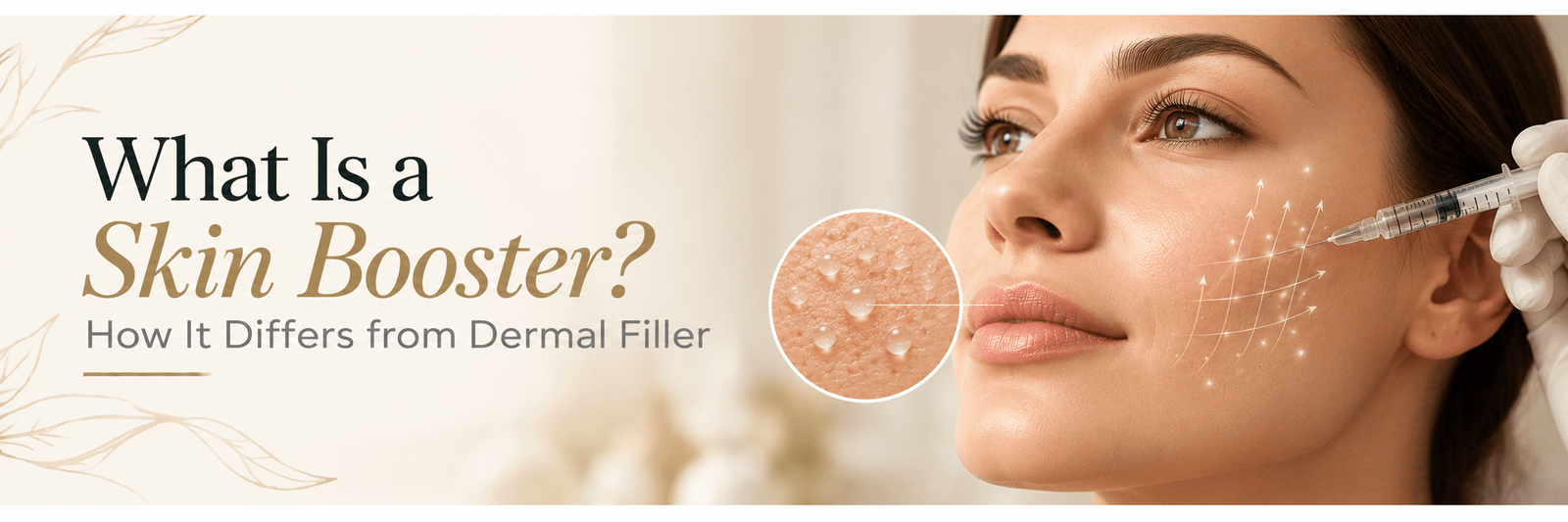
Others use injection methods that stimulate collagen production rather than adding volume directly. They can help address certain areas of concern related to facial volume or firmness.
These procedures cannot be compared to dermal fillers; in addition, they don’t work for all concerns. Results may take time and may require multiple sessions. Possible complications can include swelling, bruising, infections, lumps, or other product-related issues.
Collagen is crucial for maintaining the skin’s firmness, elasticity, and support. With age, collagen production and collagen fiber architecture are affected, leading to wrinkles, decreased elasticity, and other signs of aging. Environmental factors such as sun exposure, smoking, hormones, and more may contribute to these changes.
A realistic combination of expectations along with a proper skincare and sunscreen regimen is the most appropriate way to go about. If you have been thinking about treating collagen loss in North Bay, consult a professional practitioner.
Good skincare isn’t about trying to turn back the clock. It means caring for your skin and making good decisions along the way.
FAQs
Does sunscreen prevent loss of collagen?
Sunscreen can help protect your skin from UV damage that can cause collagen loss and premature aging. Consistent sunscreen use and protective clothing are essential to reduce additional sun damage.
Do collagen supplements increase skin firmness?
Some evidence shows collagen supplements can help with certain skin conditions; however, there is no guarantee you will notice any changes. Supplements should not replace other methods, such as proper sun protection and a balanced diet.
Do skincare products encourage collagen production?
Some active ingredients, like retinoids, have been proven effective for treating certain signs of photodamage. Results vary depending on the active ingredient, the product’s formulation, how often you use it, and how your skin responds.